 Colorplan
Polar Bear vs Ultra Pure White
Behr Polar Bear PPU18-08 compared with Behr Ultra Pure White PPU18-06
Polar Bear is a touch darker (LRV 84 vs 90), a touch warmer and a touch more colorful than Ultra Pure White. Polar Bear has a warm yellow undertone, while Ultra Pure White has almost no visible undertone. They're close enough (ΔE 2.3) that most people won't see a difference on a wall, so one can usually stand in for the other.
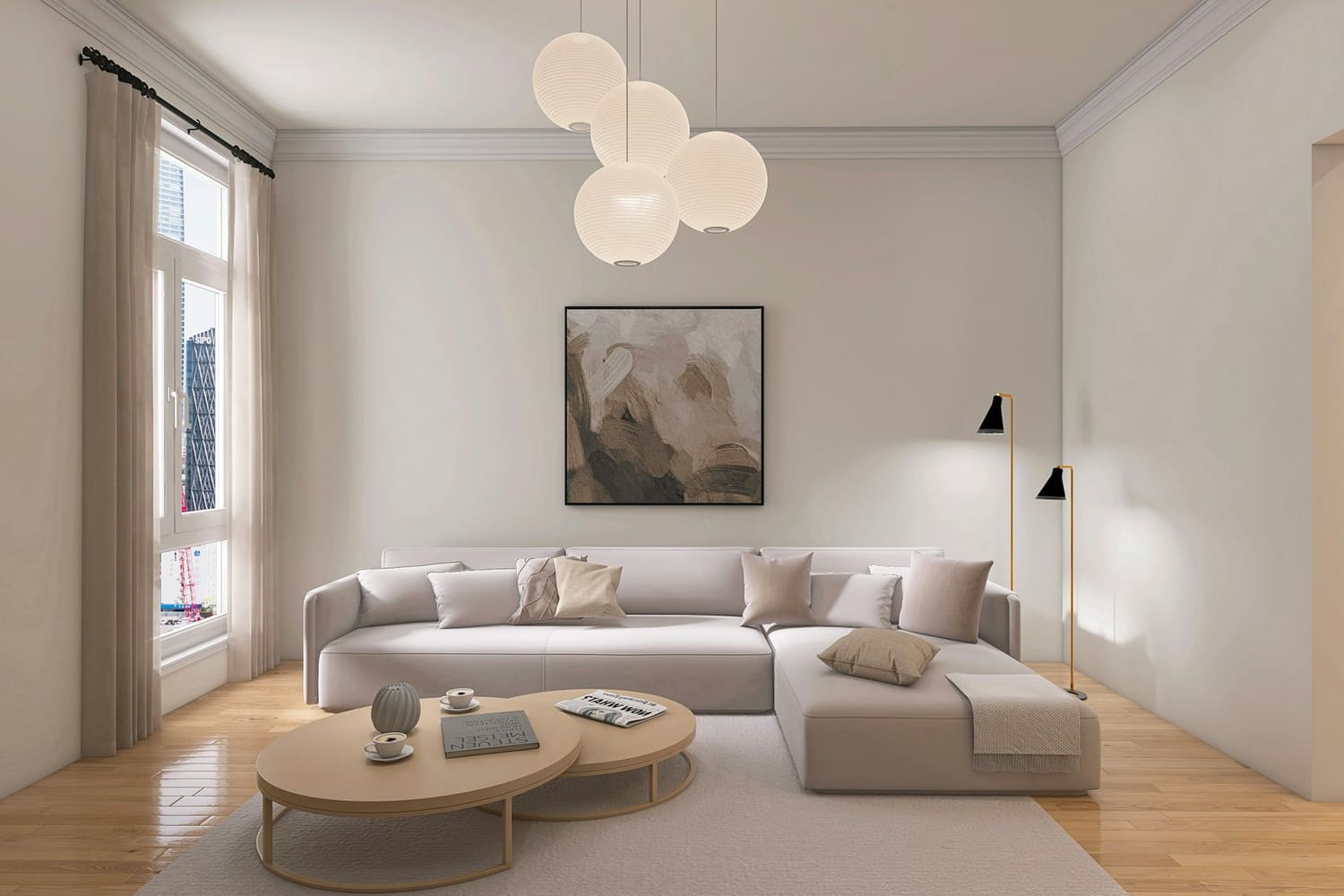
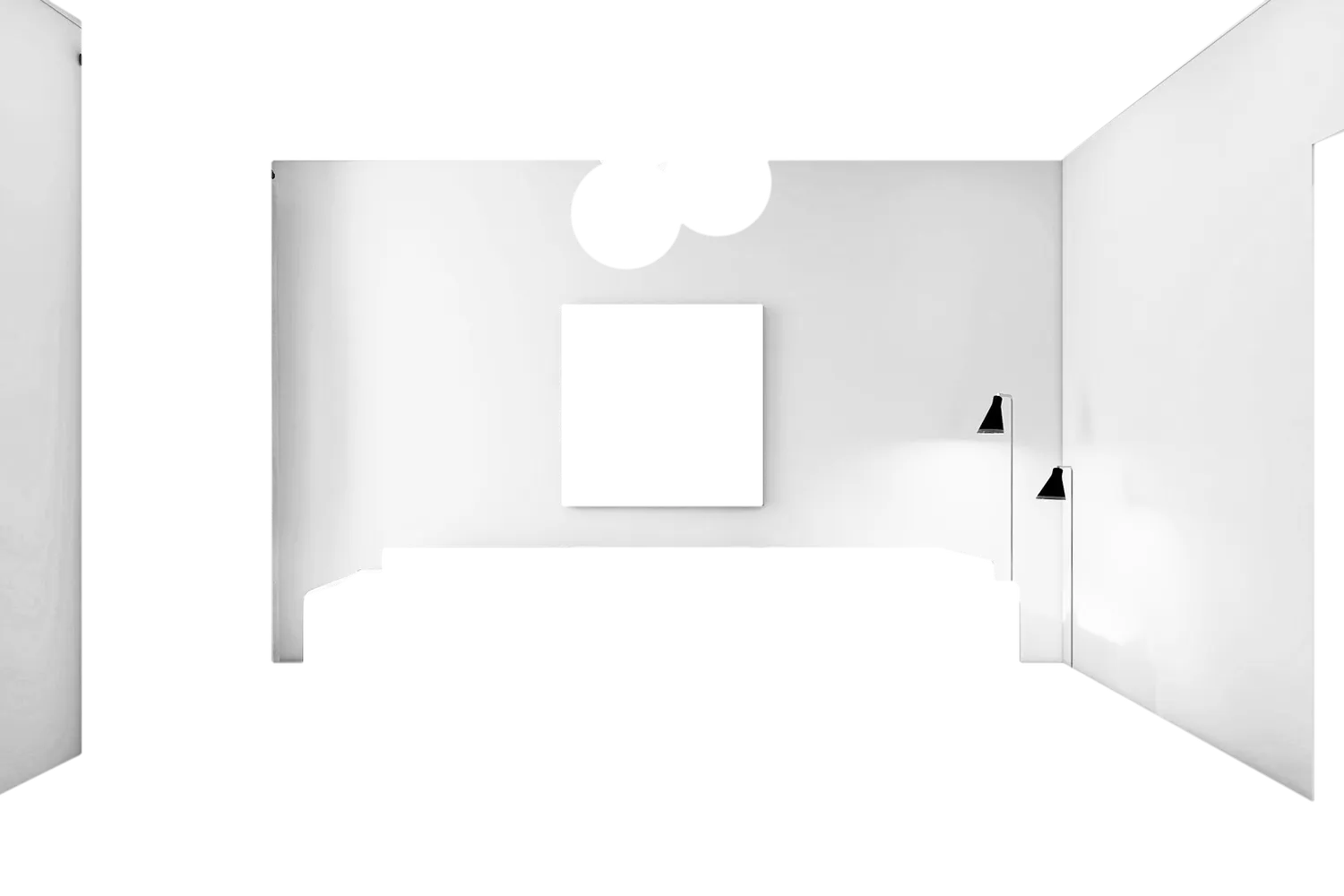
ΔE 2.3 · Very close
How different the two colors look. Under 2.5 is very hard to tell apart on a wall; over 5 is clearly different.
Which to choose
For a small or dim room, Ultra Pure White reflects more light (LRV 90).
For a north-facing room, Polar Bear is the safer choice because its warm undertone balances cool north light.
Side by side
| Polar Bear | Ultra Pure White | |
|---|---|---|
| Brand | Behr | Behr |
| Code | PPU18-08 | PPU18-06 |
| LRV | 84 | 90 |
| Undertone | yellow | neutral |
| Family | White | White |
| HEX | #F0ECE2 | #F6F3ED |
| Good for | whole-house walls, living rooms | trim and doors, ceilings |
Questions
What is the difference between Polar Bear and Ultra Pure White?
Polar Bear is a touch darker (LRV 84 vs 90), a touch warmer and a touch more colorful than Ultra Pure White. Polar Bear has a warm yellow undertone, while Ultra Pure White has almost no visible undertone. They're close enough (ΔE 2.3) that most people won't see a difference on a wall, so one can usually stand in for the other.
Which is lighter, Polar Bear or Ultra Pure White?
Ultra Pure White is lighter, with an LRV of 90 against 84.
How does Polar Bear compare to Ultra Pure White in a north-facing room?
Polar Bear's warm undertone keeps it soft rather than gray in north light, which makes it a good white for north rooms. Ultra Pure White may lean slightly gray in north light; check a sample on the north wall before committing.
Based on published color values. Screens vary, so always check a physical sample before buying.