 Colorplan
Benjamin Moore Bermuda Sands (2100-60) is a light pink with a warm peach undertone and an LRV of 62. Closest matches: Sherwin-Williams Malted Milk (SW 6057), Farrow & Ball Calamine (No.230) and Behr Stolen Kiss (MQ3-34). For trim, try Pink Essence (881).
Room Preview
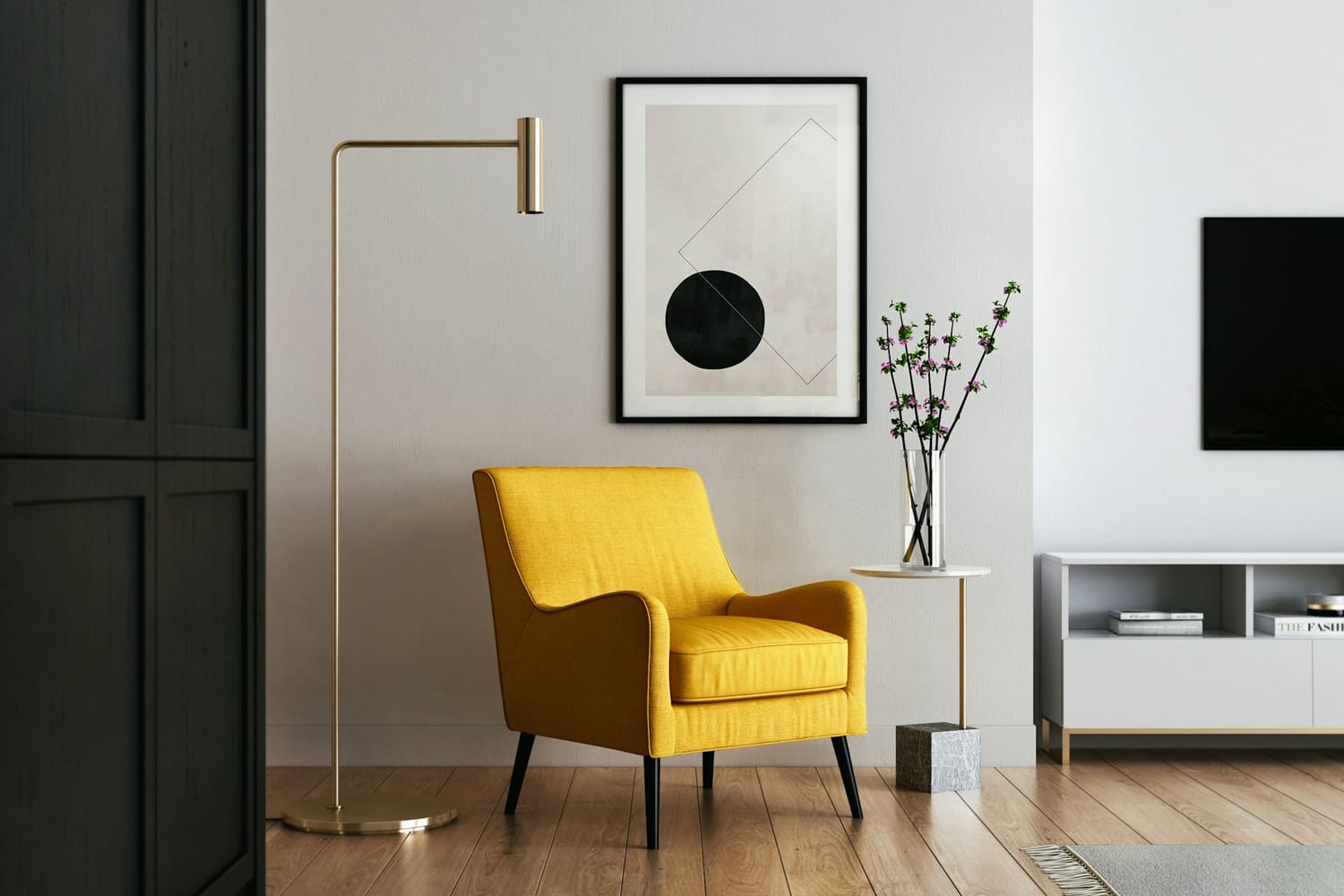
This photo shows walls only. Photos show the color in a real room's light; your own light will change it.
Suggested trim and ceiling are Benjamin Moore whites that share this color's undertone.
Color Details
| Family | Pink |
| LRV | 62.5 (light; 0 = black, 100 = pure white) |
| HEX | #E0CBC3 |
| RGB | 224, 203, 195 |
| HSL | 17°, 32%, 82% |
About Bermuda Sands
Bermuda Sands (2100-60) is a light pink from Benjamin Moore with a warm peach undertone. With an LRV of 62, Bermuda Sands has visible color without darkening a room much.
In north-facing rooms the cool daylight tones down Bermuda Sands's warmth, so it can read a little grayer; south- and west-facing light brings the warmth forward. It's a good fit for bedrooms, nurseries, powder rooms and accent walls. It's very close to Malted Milk (2099-60); you'd mostly see the difference side by side.
How Bermuda Sands changes with the light
Bermuda Sands has a gentle warm undertone that keeps it from going cold in north-facing rooms, and it looks a touch warmer again in afternoon west light.
North-facing rooms
Bermuda Sands's warmth balances the cool north light, which is why warmer colors are the safe pick for north rooms.
East-facing rooms
Bermuda Sands will look warmer and brighter in the morning and cooler and grayer by afternoon; check a sample at both times.
South-facing rooms
Bright south light shows Bermuda Sands close to its true color, slightly lighter and warmer.
West-facing rooms
Bermuda Sands will glow warmer in the late afternoon.
See Bermuda Sands in real homes
Photos people have shared of Bermuda Sands in their own rooms. Opens Instagram or Pinterest in a new tab.
Bermuda Sands equivalents in other brands
The closest color from each brand. ΔE (“delta E”) scores how different two colors look: under 2.5 is very hard to tell apart on a wall, over 5 is clearly different.
Sherwin-Williams
Close · ΔE 2.6
Also close: Pink Shadow (ΔE 2.7)
Compare side by side →Farrow & Ball
Very close · ΔE 1.7
Also close: Pink Ground (ΔE 3.4)
Compare side by side →Similar Benjamin Moore colors
Bermuda Sands questions
What undertone does Bermuda Sands have?
Bermuda Sands has a warm peach undertone, so it reads as a warm color. In north-facing rooms the cool daylight tones down Bermuda Sands's warmth, so it can read a little grayer; south- and west-facing light brings the warmth forward.
Is Bermuda Sands a light or dark color?
Bermuda Sands has a light reflectance value (LRV) of 62.5 on a scale where 0 is black and 100 is pure white, which makes it a light color. With an LRV of 62, Bermuda Sands has visible color without darkening a room much.
What is the closest match to Bermuda Sands in other paint brands?
Sherwin-Williams: Malted Milk SW 6057 (close, ΔE 2.6); Farrow & Ball: Calamine No.230 (very close, ΔE 1.7); Behr: Stolen Kiss MQ3-34 (close, ΔE 4.0). Matches are calculated with the CIEDE2000 color difference formula; always check a physical sample before buying.
What trim and ceiling color goes with Bermuda Sands?
Try Pink Essence (881) on trim and Opulence (OC-69) on the ceiling. Both are Benjamin Moore whites that share Bermuda Sands's undertone.
Where does Bermuda Sands work best?
Bermuda Sands works well in bedrooms, nurseries, powder rooms and accent walls. With an LRV of 62, Bermuda Sands has visible color without darkening a room much.
Planning more than one room?
Build a whole-house palette and share it with your contractor. Free.