 Colorplan
Benjamin Moore Groundhog Day (1166) is a mid-tone beige with a warm peach undertone and an LRV of 52. Closest matches: Farrow & Ball Setting Plaster (No.231) and Behr Classic Taupe (290E-3). For trim, try Pink Essence (881).
Room Preview
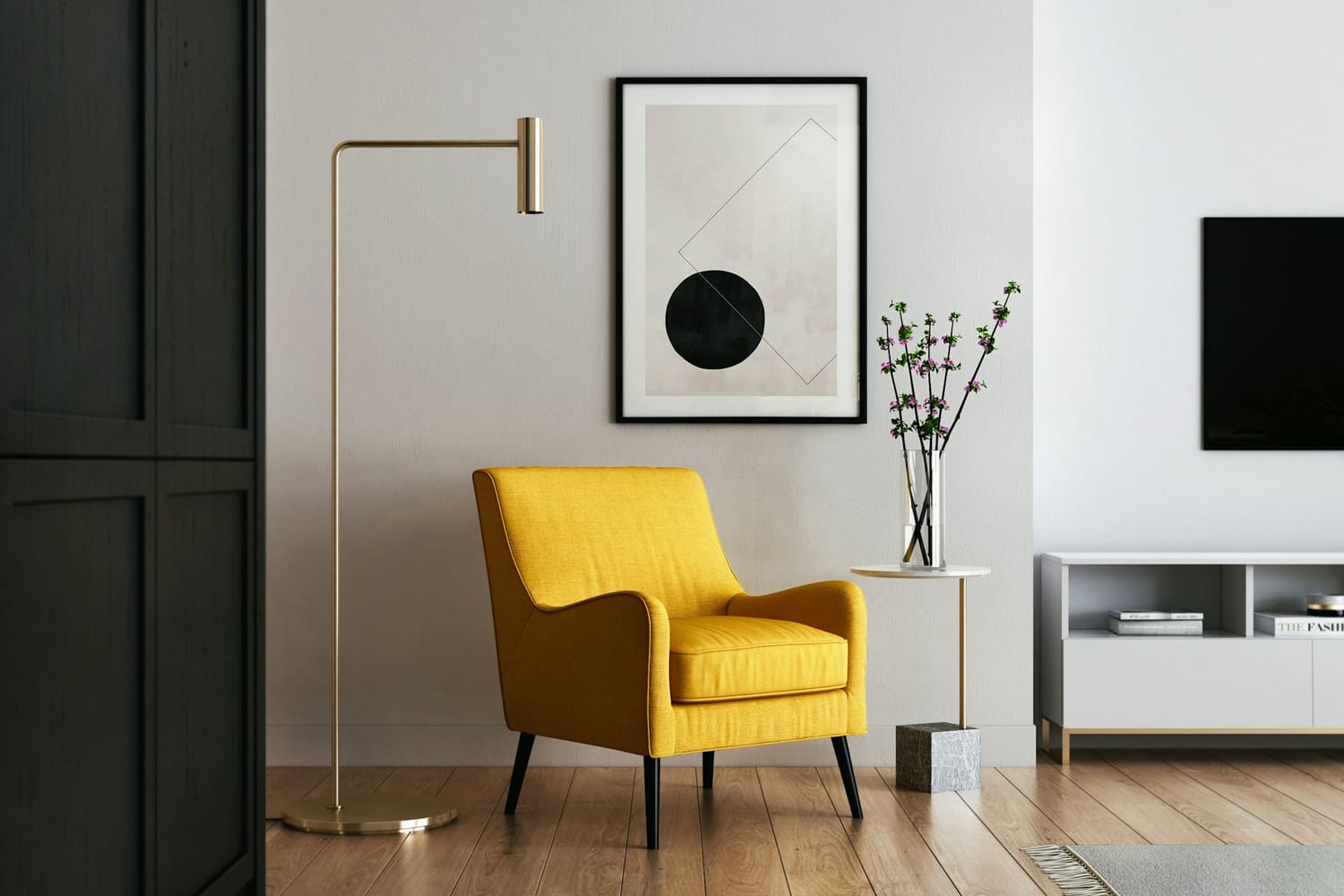
This photo shows walls only. Photos show the color in a real room's light; your own light will change it.
Suggested trim and ceiling are Benjamin Moore whites that share this color's undertone.
Color Details
| Family | Beige |
| LRV | 52.4 (mid-tone; 0 = black, 100 = pure white) |
| HEX | #D8BAA5 |
| RGB | 216, 186, 165 |
| HSL | 25°, 40%, 75% |
About Groundhog Day
Groundhog Day (1166) is a mid-tone beige from Benjamin Moore with a warm peach undertone. With an LRV of 52, Groundhog Day has visible color without darkening a room much.
In north-facing rooms the cool daylight tones down Groundhog Day's warmth, so it can read a little grayer; south- and west-facing light brings the warmth forward. It's a good fit for open-plan living areas, hallways, living rooms and bedrooms. It's very close to Nature's Symphony (1152); you'd mostly see the difference side by side.
How Groundhog Day changes with the light
Groundhog Day has a strong warm undertone that balances cool north light well. In strong south or west sun it can look more golden, so check a sample at midday and in the late afternoon.
North-facing rooms
Groundhog Day's warmth balances the cool north light, which is why warmer colors are the safe pick for north rooms.
East-facing rooms
Groundhog Day will look warmer and brighter in the morning and cooler and grayer by afternoon; check a sample at both times.
South-facing rooms
In strong south light Groundhog Day can turn noticeably more yellow or orange; test a sample at midday.
West-facing rooms
Groundhog Day will glow warmer in the late afternoon, so check it at sunset if you want to avoid a strong yellow cast.
See Groundhog Day in real homes
Photos people have shared of Groundhog Day in their own rooms. Opens Instagram or Pinterest in a new tab.
Groundhog Day equivalents in other brands
The closest color from each brand. ΔE (“delta E”) scores how different two colors look: under 2.5 is very hard to tell apart on a wall, over 5 is clearly different.
Sherwin-Williams
Closest available · ΔE 5.0
Also close: Pink Shadow (ΔE 5.2)
Compare side by side →Farrow & Ball
Very close · ΔE 2.2
Also close: Templeton Pink (ΔE 2.6)
Compare side by side →Similar Benjamin Moore colors
Groundhog Day questions
What undertone does Groundhog Day have?
Groundhog Day has a warm peach undertone, so it reads as a warm color. In north-facing rooms the cool daylight tones down Groundhog Day's warmth, so it can read a little grayer; south- and west-facing light brings the warmth forward.
Is Groundhog Day a light or dark color?
Groundhog Day has a light reflectance value (LRV) of 52.4 on a scale where 0 is black and 100 is pure white, which makes it a mid-tone color. With an LRV of 52, Groundhog Day has visible color without darkening a room much.
What is the closest match to Groundhog Day in other paint brands?
Sherwin-Williams: Sand Dollar SW 6099 (closest available, ΔE 5.0); Farrow & Ball: Setting Plaster No.231 (very close, ΔE 2.2); Behr: Classic Taupe 290E-3 (close, ΔE 3.6). Matches are calculated with the CIEDE2000 color difference formula; always check a physical sample before buying.
What trim and ceiling color goes with Groundhog Day?
Try Pink Essence (881) on trim and Opulence (OC-69) on the ceiling. Both are Benjamin Moore whites that share Groundhog Day's undertone.
Where does Groundhog Day work best?
Groundhog Day works well in open-plan living areas, hallways, living rooms and bedrooms. With an LRV of 52, Groundhog Day has visible color without darkening a room much.
Planning more than one room?
Build a whole-house palette and share it with your contractor. Free.